
Sleep better, naturally.
If you travel for work and want to avoid jet lag before a big meeting, this guide is for you. You will learn what actually works, what is overstated, and which habits protect your performance when it matters most.
Key takeaways
- Jet lag is a circadian timing problem, not a grit problem
- Light timing, meal timing, and consistent sleep habits matter more than supplements
- Tracking alone does not drive results. Behavior change does
You land, and your edge feels dull
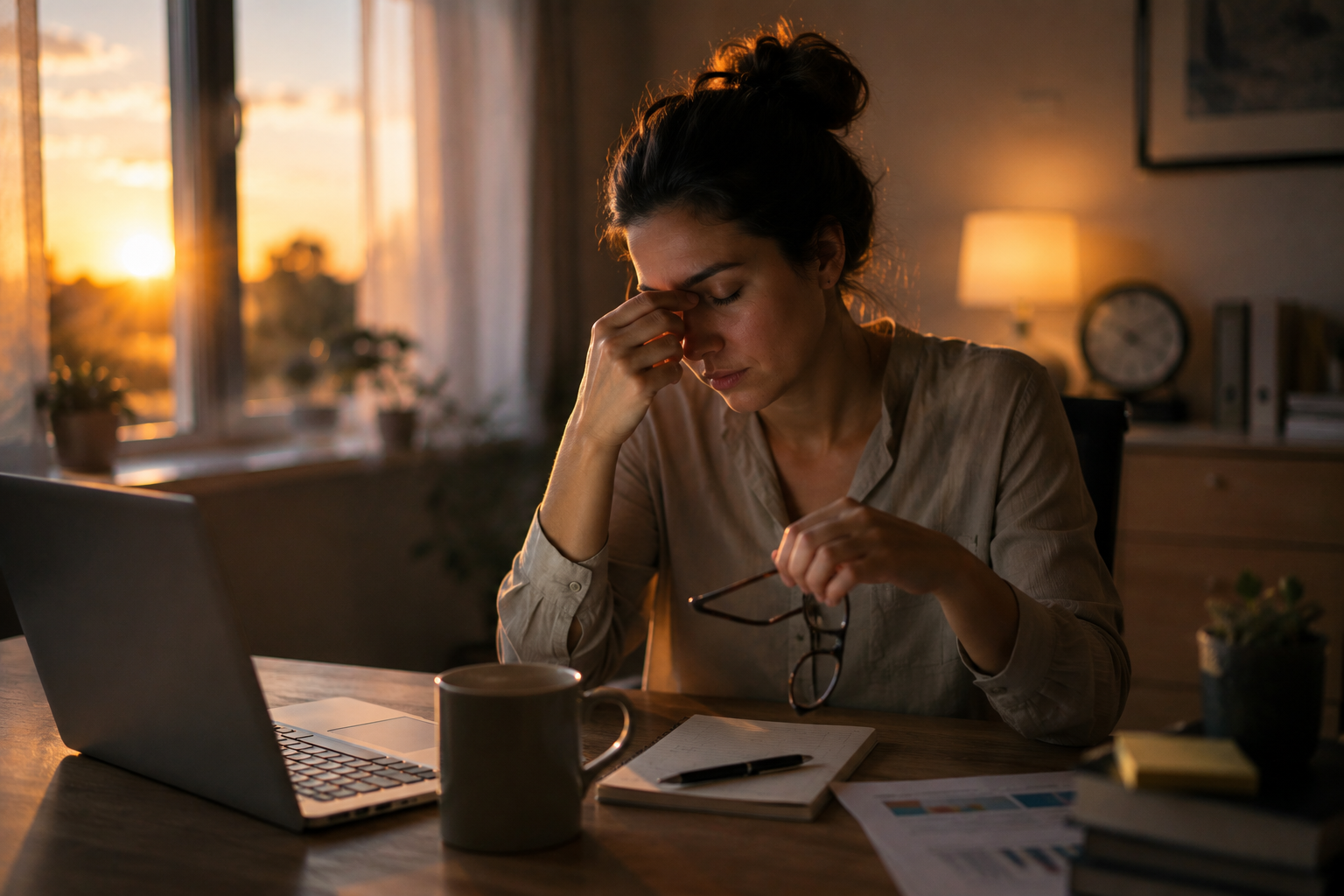
You open your laptop. The slides look familiar but fuzzy. You can still perform. You always do. Yet something is off. You feel slower in the first five minutes of the meeting. A little more reactive. Less warm that night at dinner.
Then your wearable adds insult. A low readiness score. A warning color. Now you are tired and worried about being tired.
If you travel often, jet lag becomes more than a nuisance. It becomes a performance and identity problem. You do not just want sleep. You want precision. You want emotional steadiness. You want your brain online when the stakes are high.
Here is the corrective truth. Jet lag is not primarily a willpower problem. It is a body clock timing problem. You can reduce it with habits. Data can guide you, but tracking alone does not drive results. Behavior change does.
When you learn to avoid jet lag before a big meeting, you protect the foundation of everything else you care about. Cognition. Mood. Metabolism. Training. Relationships. Creativity. Productivity. Neurological health. Longevity.
Circadian misalignment affects alertness, mood, glucose regulation, and reaction time in controlled studies, even over short windows Wright et al., 2013; Morris et al., 2015. These are meeting outcomes, not just bedtime outcomes.
The physiology you need before you try to avoid jet lag before a big meeting
Your sleep is shaped by two major drivers. Understanding them makes everything else simpler.
Your circadian rhythm is the timing system. The master clock in the brain, located in the suprachiasmatic nucleus, is primarily set by light exposure. Morning light is especially powerful Czeisler et al., 1989. When you cross time zones, this clock does not update instantly. It shifts gradually based on your light pattern.
Eastward travel often feels harder because you need to fall asleep earlier. Westward travel may feel easier at first because you can stay up later.
Sleep pressure is the tiredness system. It builds the longer you are awake and decreases during sleep. Adenosine is part of this process. Caffeine blocks adenosine receptors, which is why it can mask sleepiness Roehrs & Roth, 2008.
Here is the key distinction. Circadian rhythm determines when sleep is easiest. Sleep pressure determines how much you crave sleep. Jet lag is mostly circadian. If you only push sleep pressure with naps, caffeine, alcohol, or sedatives, you may log hours but still feel misaligned.
A popular myth: melatonin fixes jet lag
Melatonin can help some travelers. It does not fix jet lag.
Melatonin is a timing signal, not a knock out drug. A Cochrane review found that appropriately timed melatonin can reduce subjective jet lag symptoms, especially for eastward travel, but effects vary by timing and dose Herxheimer & Petrie, 2002.
Timing matters. Dose matters. Individual sensitivity matters. If you take it at the wrong local time, you can shift your clock in the wrong direction or simply feel groggy.
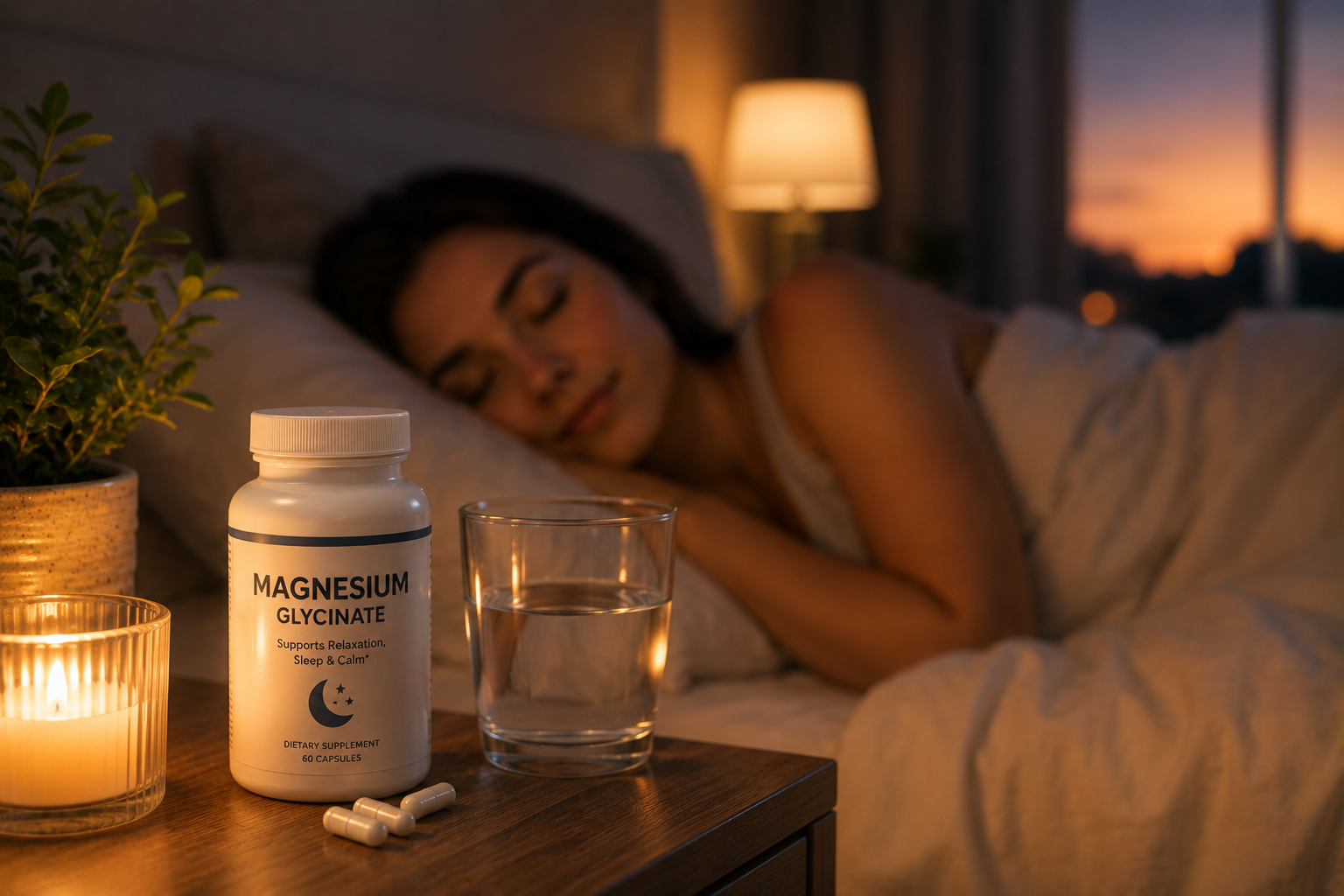
Quality also varies because melatonin is regulated as a dietary supplement in the United States. The NIH Office of Dietary Supplements notes wide variability in content across products.
Use melatonin as a small steering wheel. Do not treat it like an engine.
How to avoid jet lag before a big meeting: the pre flight plan
If you want to avoid jet lag before a big meeting, your plan starts before you board.
Decide whether to shift or partially hold your home schedule. If the trip is one to three nights and the meeting is within 24 to 48 hours of landing, partial adaptation may protect performance better than forcing a full shift you cannot maintain.
Shift light two to three days before travel if possible. Light is your primary lever. For eastward travel, get brighter light earlier in your day and reduce light in the late evening. For westward travel, allow more light later in the day. Even 30 to 60 minutes outdoors can create meaningful phase shifts Khalsa et al., 2003.
Shift meal timing. Food timing is a secondary cue for peripheral clocks. Earlier dinners before eastward trips and later dinners before westward trips can support adjustment. Human laboratory studies suggest meal timing can influence circadian alignment of metabolic rhythms Wehrens et al., 2017.
Bank sleep without hibernating. Sleep extension in the days before sleep loss can improve performance and mood resilience Arnal et al., 2015. Aim for a consistent wake time and 30 to 60 extra minutes in bed for two nights. Habits, not heroic catch up nights, hold up under travel stress.
First 24 hours: how to avoid jet lag before a big meeting after landing
Your goal on day one is not perfect sleep. It is correct signals.
Get outside at the right time. If you traveled east, prioritize local morning light and reduce bright light in the evening. If you traveled west, seek more late afternoon light. When unsure, morning outdoor light and dim evenings are a low risk default.
Move gently. A 20 minute walk improves alertness and reinforces local daytime. Avoid maximal workouts if severely sleep deprived.
Choose a realistic local bedtime. Protect a consistent window rather than chasing the earliest possible sleep. If you cannot sleep after about 20 to 30 minutes, get up briefly in low light and return when sleepy. This stimulus control approach is part of evidence based behavioral insomnia care described by the American Academy of Sleep Medicine.
Time caffeine with intention. Wait about 60 to 90 minutes after waking before your first dose if you are prone to anxiety. Stop caffeine eight to ten hours before your target bedtime if sensitive. Half life varies widely between individuals Roehrs & Roth, 2008.
Keep alcohol close to zero. Alcohol can increase sleep fragmentation and impair next day alertness Ebrahim et al., 2013. If you want to avoid jet lag before a big meeting, this is often the first lever to pull.
Wearables: useful feedback, not verdicts
Devices like Oura, WHOOP, Apple Watch, and Fitbit can show trends in sleep timing, duration, resting heart rate, and heart rate variability. These trends can reflect strain, alcohol, illness, or circadian disruption.
They cannot diagnose sleep disorders. They cannot measure sleep stages with EEG precision. They cannot decide whether you should cancel your meeting.
Treat scores as prompts. Notice patterns. Test one change next trip. Keep what works. Drop what does not. Tracking alone does not drive results. Behavior change does.
The uncomfortable habit that moves the needle
Most people will buy supplements before they dim the lights.
Evening light strongly influences circadian timing. Bright indoor light and screens in the last hour before bed can delay melatonin onset and next morning alertness Chang et al., 2015.
The habit is simple. Sixty to ninety minutes before bed, switch to low, warm lighting. Lower screen brightness. Avoid bright bathroom lights right before bed.
This feels small. It is not small.
What not to do if you want to avoid jet lag before a big meeting
Do not sedate your way out of a circadian problem. Sleep medications, antihistamines, and alcohol may increase time asleep while leaving circadian timing unchanged. Discuss prescription options with your clinician if travel is frequent.
Avoid long late naps. A long afternoon nap can reduce sleep pressure and delay local bedtime. If needed, keep naps to 10 to 25 minutes earlier in the day.
Do not stack five new interventions at once. Change two levers per trip so you can learn what helps.
Your simple checklist to avoid jet lag before a big meeting
Seventy two to forty eight hours before travel
- Keep wake time consistent
- Add 30 to 60 minutes in bed if short on sleep
- Shift light and meals toward destination time
- Decide your caffeine cut off for destination bedtime
Travel day
- Hydrate normally without overdoing fluids
- Use caffeine strategically, not continuously
- If sleeping on the plane, reduce light and screens
First day after landing
- Get 20 to 30 minutes of outdoor light in the local morning
- Walk for 10 to 20 minutes
- Eat near local meal times
- Protect a realistic bedtime window
- Dim evening light for 60 to 90 minutes
Where the science is still uncertain
Melatonin timing and dose vary widely across studies. Not every traveler benefits. Chronotype based plans can help, yet many professionals cannot adhere to ideal schedules due to meetings and family demands.
Wearable sleep staging continues to improve, but it is not EEG. Treat metrics as trends, not truth.
This nuance is not a reason to give up. It is a reason to focus on high signal habits. Light timing. Consistent sleep windows. Thoughtful caffeine use. Alcohol reduction.
A steadier way to think about performance
You can have a great meeting on imperfect sleep.
What often derails people is the spiral. Poor sleep leads to a low score. The low score triggers threat. Threat drives more caffeine and later nights. Jet lag deepens.
The alternative is calmer. Use data to notice patterns. Practice a few repeatable habits. Over time, you will learn how to avoid jet lag before a big meeting in a way that feels steady and sustainable.
Progress over perfection. Always.
Frequently asked questions
Focus on light and caffeine. Get outdoor light in the local morning, dim lights 60 to 90 minutes before bed, and set a clear caffeine cut off tied to your target bedtime.
Melatonin can reduce symptoms for some travelers if timed correctly, especially after eastward travel. It is a timing aid, not a sedative cure, and product quality varies.
Use readiness scores as trend feedback, not decision makers. Travel disrupts temperature and heart rate patterns, which can lower scores even when performance is still possible.
Adopt local light and meal timing immediately. Get outside early, move gently, avoid long late naps, and protect a consistent bedtime window.
GET IN TOUCH
Say goodnight to bad sleep
References
- Wright, K. P., et al. (2013). Entrainment of the human circadian clock to the natural light-dark cycle. Proceedings of the National Academy of Sciences.
- Morris, C. J., et al. (2015). Circadian system, sleep, and endocrinology. Proceedings of the National Academy of Sciences.
- Czeisler, C. A., et al. (1989). Bright light resets the human circadian pacemaker. Science.
- Herxheimer, A., & Petrie, K. J. (2002). Melatonin for the prevention and treatment of jet lag. Cochrane Database of Systematic Reviews.
- Chang, A. M., et al. (2015). Evening use of light emitting devices and circadian timing. Proceedings of the National Academy of Sciences.
- Ebrahim, I. O., et al. (2013). Alcohol and sleep. Alcoholism: Clinical and Experimental Research.
- National Institutes of Health Office of Dietary Supplements. (2023). Melatonin fact sheet for health professionals.