Category: Sleep Research
-
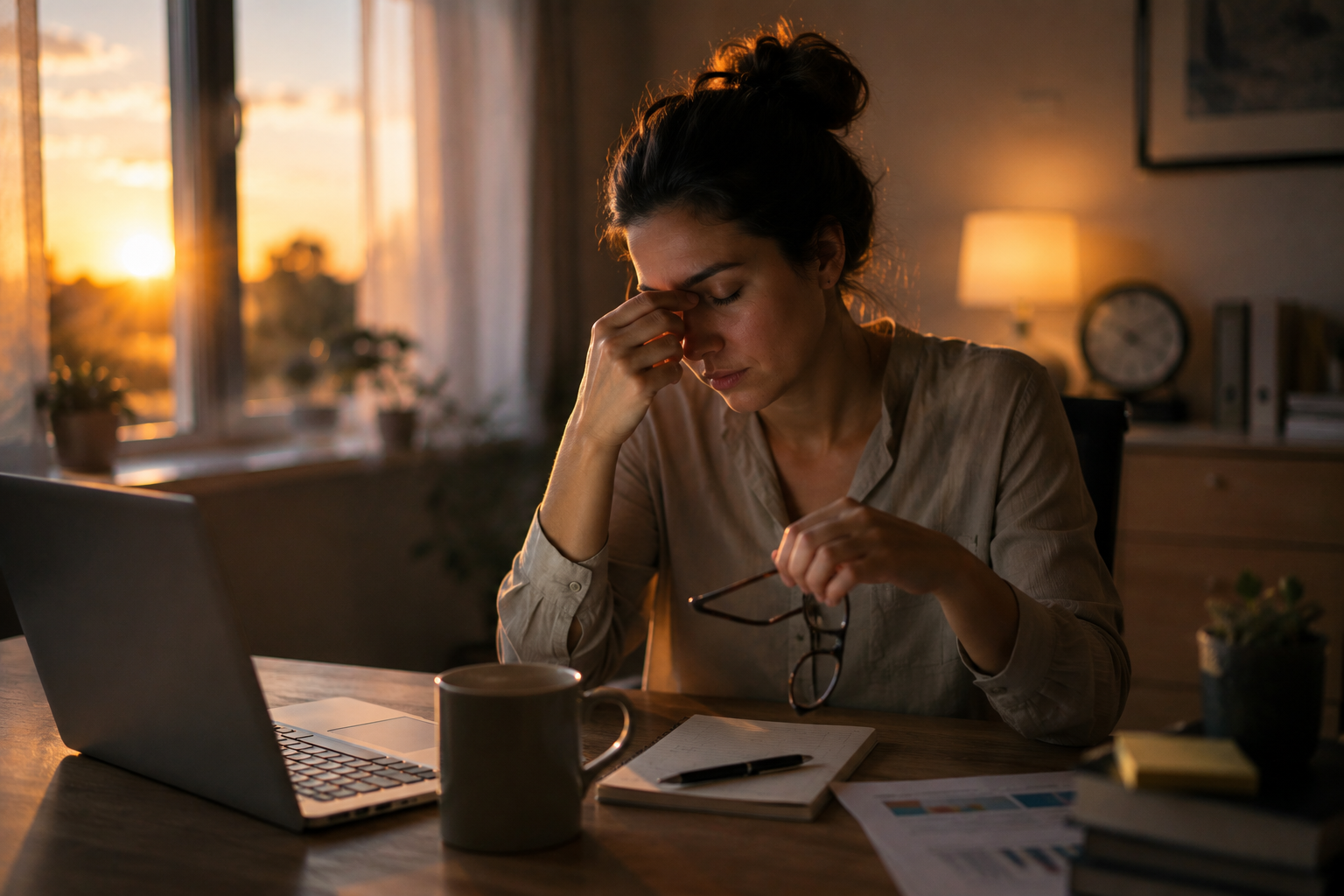
Signs of Lack of Sleep: 11 Clues High Performers Miss
Signs of lack of sleep can hide behind productivity and stress. Here are 11 science-backed clues and the habits that restore real recovery.
-
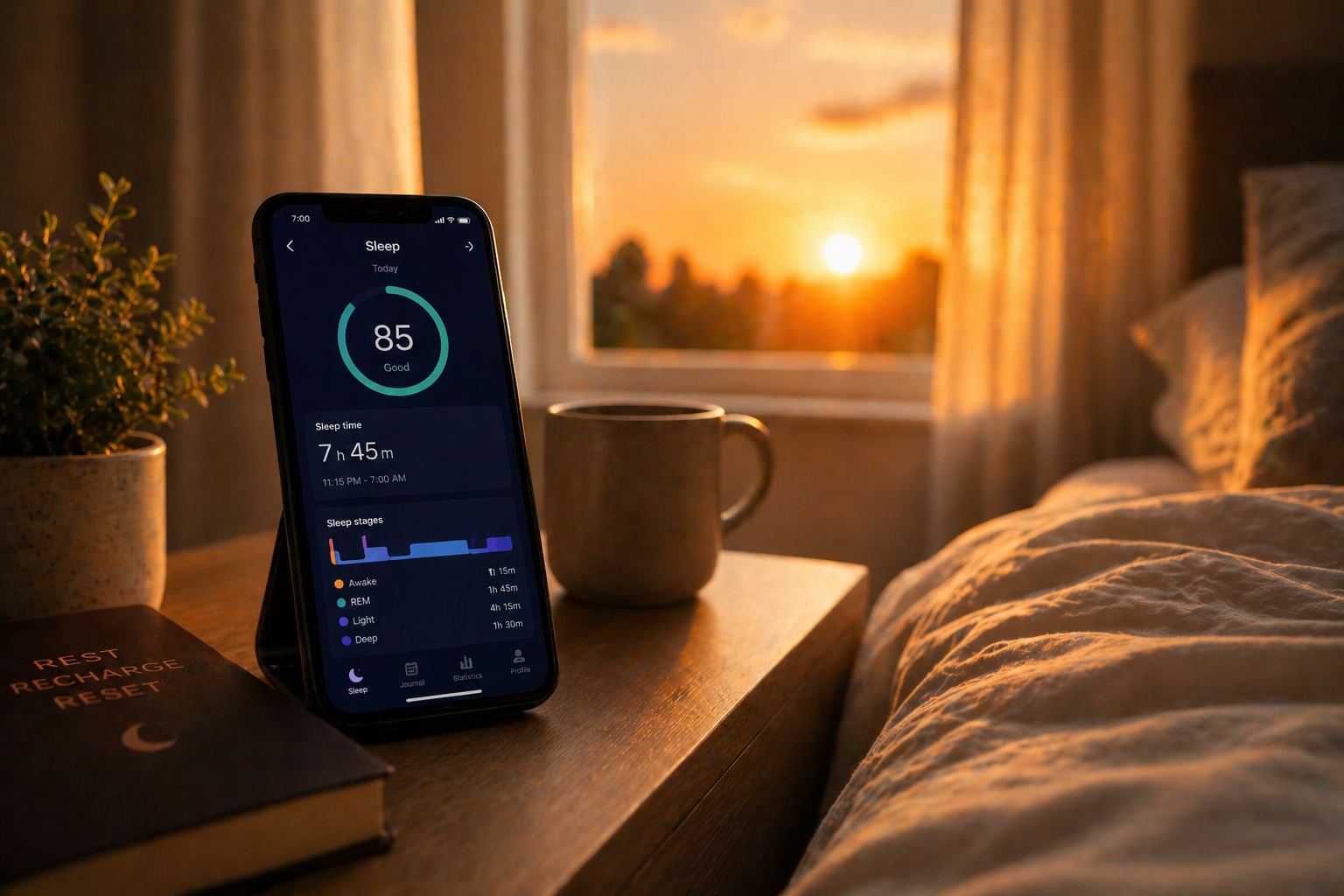
Sleep apps: what trackers miss
Sleep apps offer useful data, but they rarely fix the cause of poor sleep. Learn how to use sleep apps to support real behavior change.
-

How to Sleep Better Without Pills: Three Proven Levers
Learn how to sleep better by shifting light, timing, and habits. A science-based guide for high performers who feel tired but wired.
-
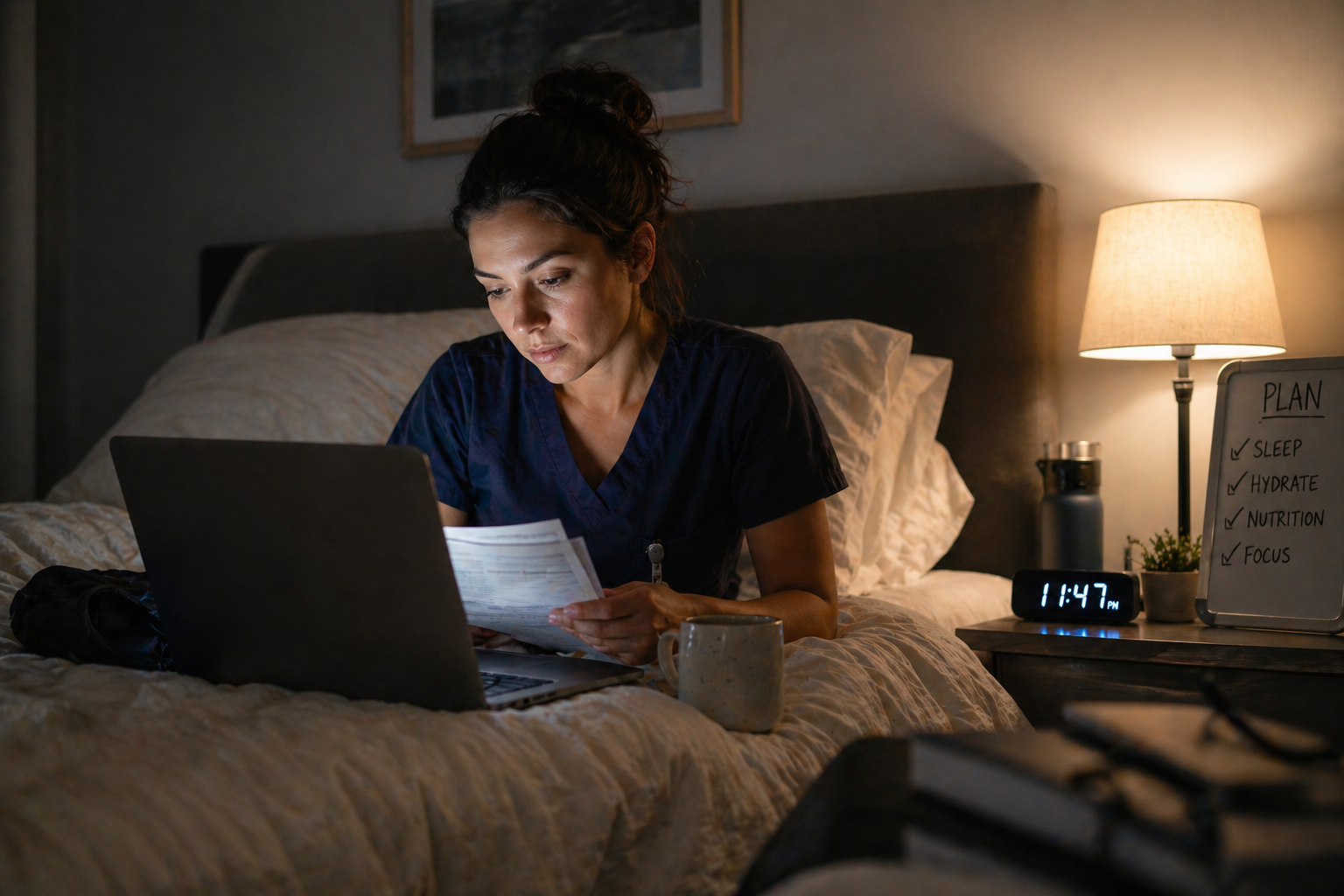
Six healthy sleep tips for adults with irregular schedules
Irregular schedules do not have to mean poor sleep. Use circadian anchors and behavior change, not willpower, to stabilize your sleep.
-
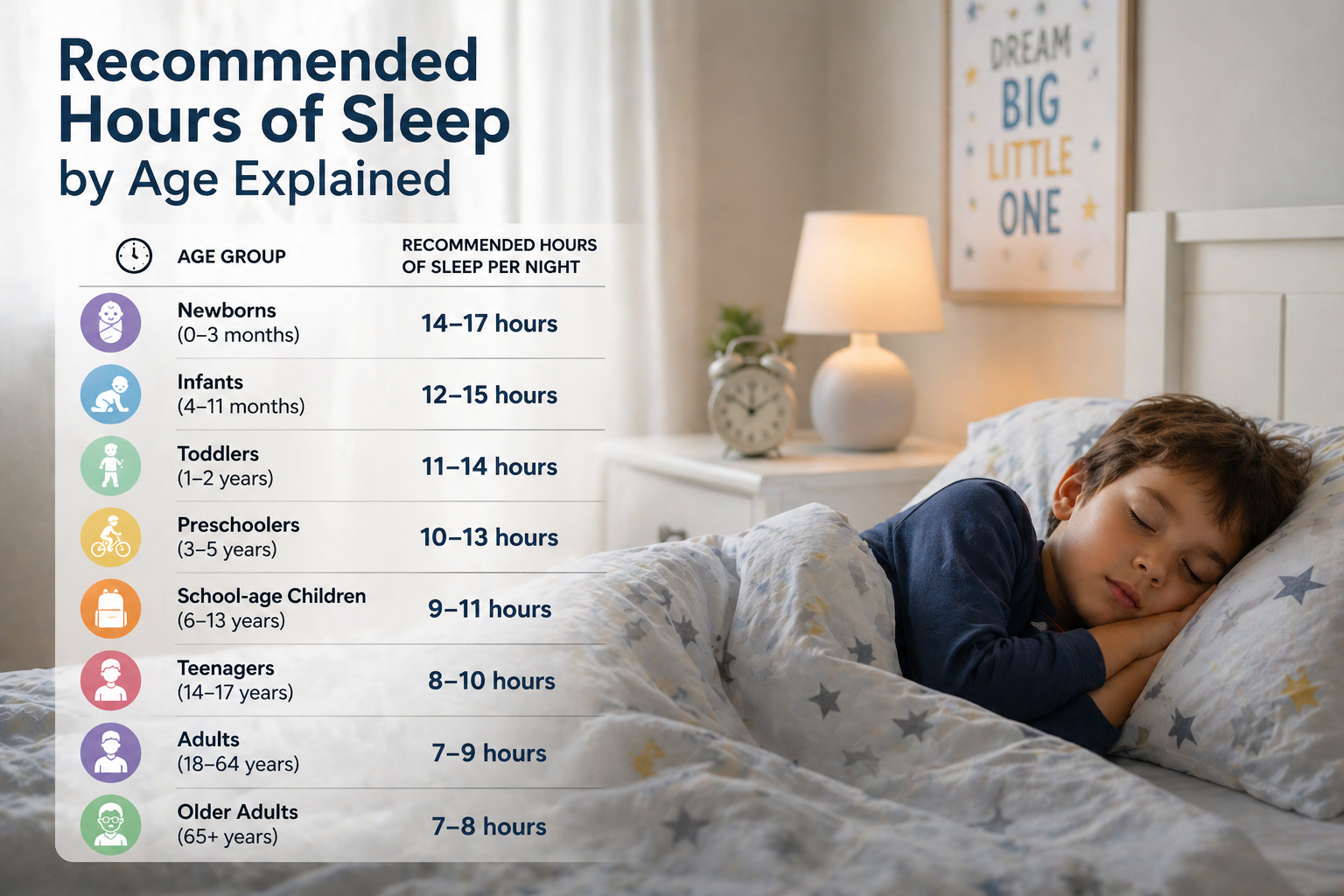
Recommended Hours of Sleep by Age Explained
Recommended hours of sleep by age are a useful starting point. Here is how to personalize them for deeper, more restorative sleep after 40.
-
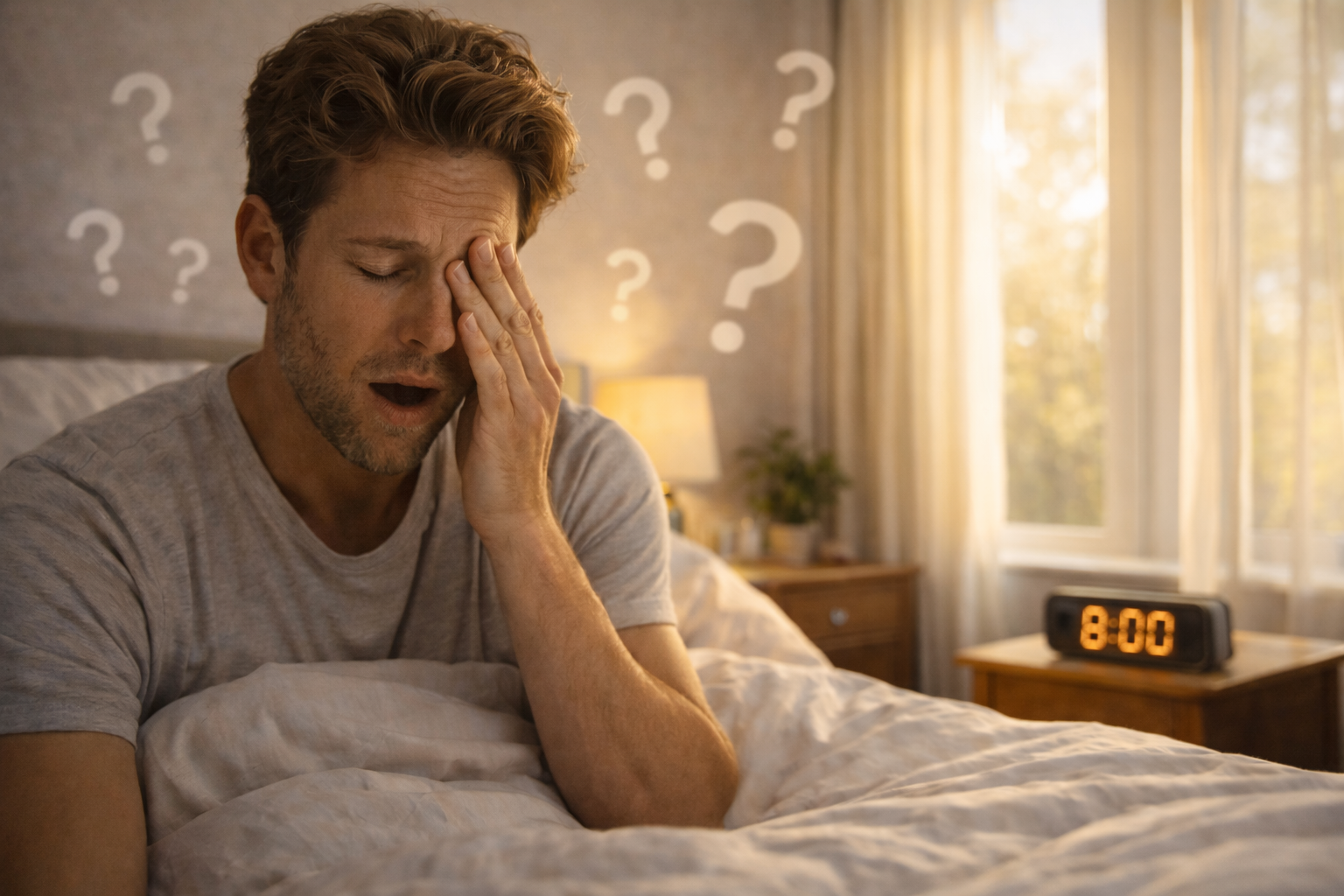
Why Am I Tired After 8 Hours of Sleep?
You can sleep 8 hours and still wake up exhausted. Here are 9 science-backed reasons and the habit shifts that actually restore deep sleep.
-
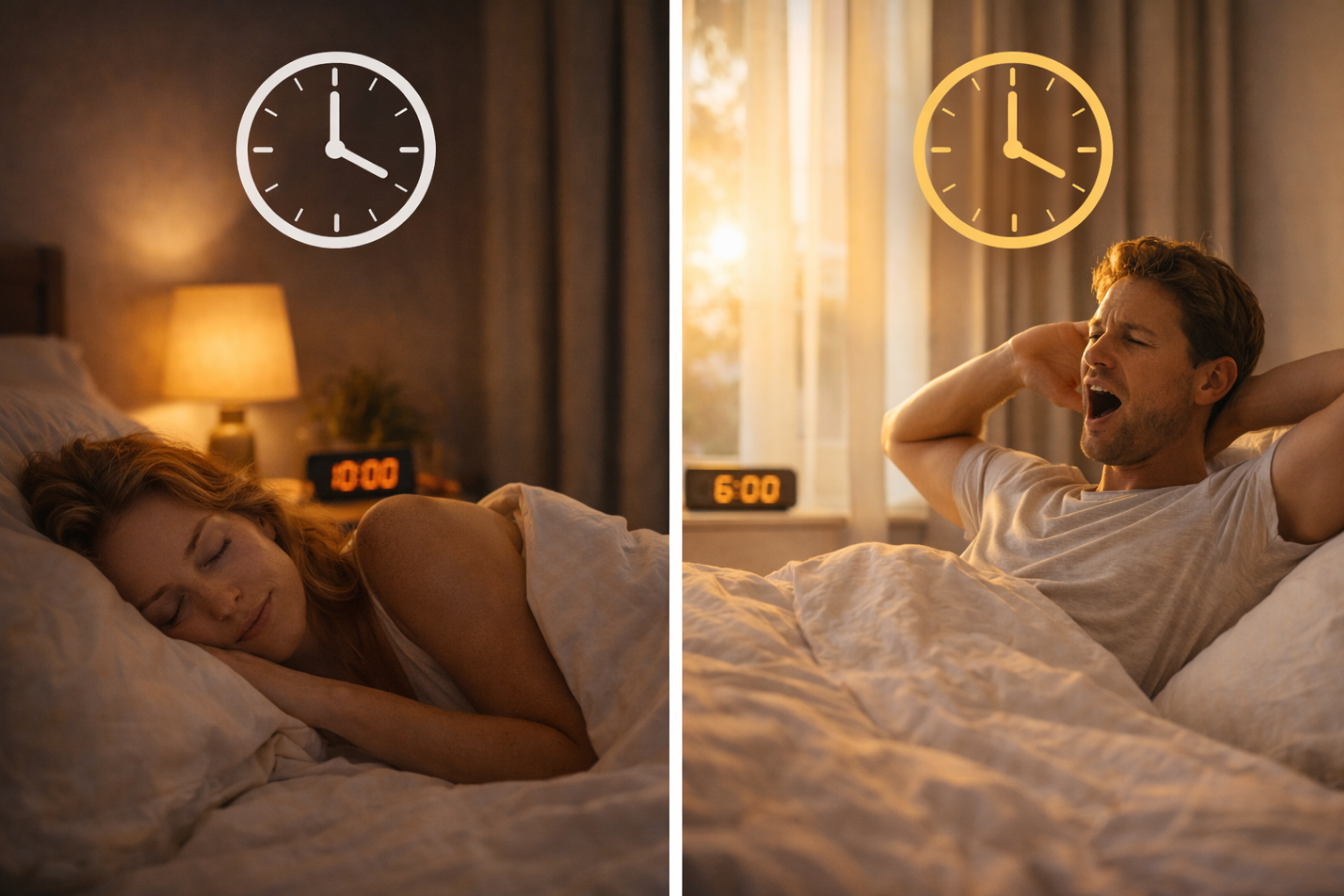
Scientifically best time to sleep and wake up
The scientifically best time to sleep and wake up is not a magic bedtime. It is a consistent sleep-wake window your nervous system can trust.
-
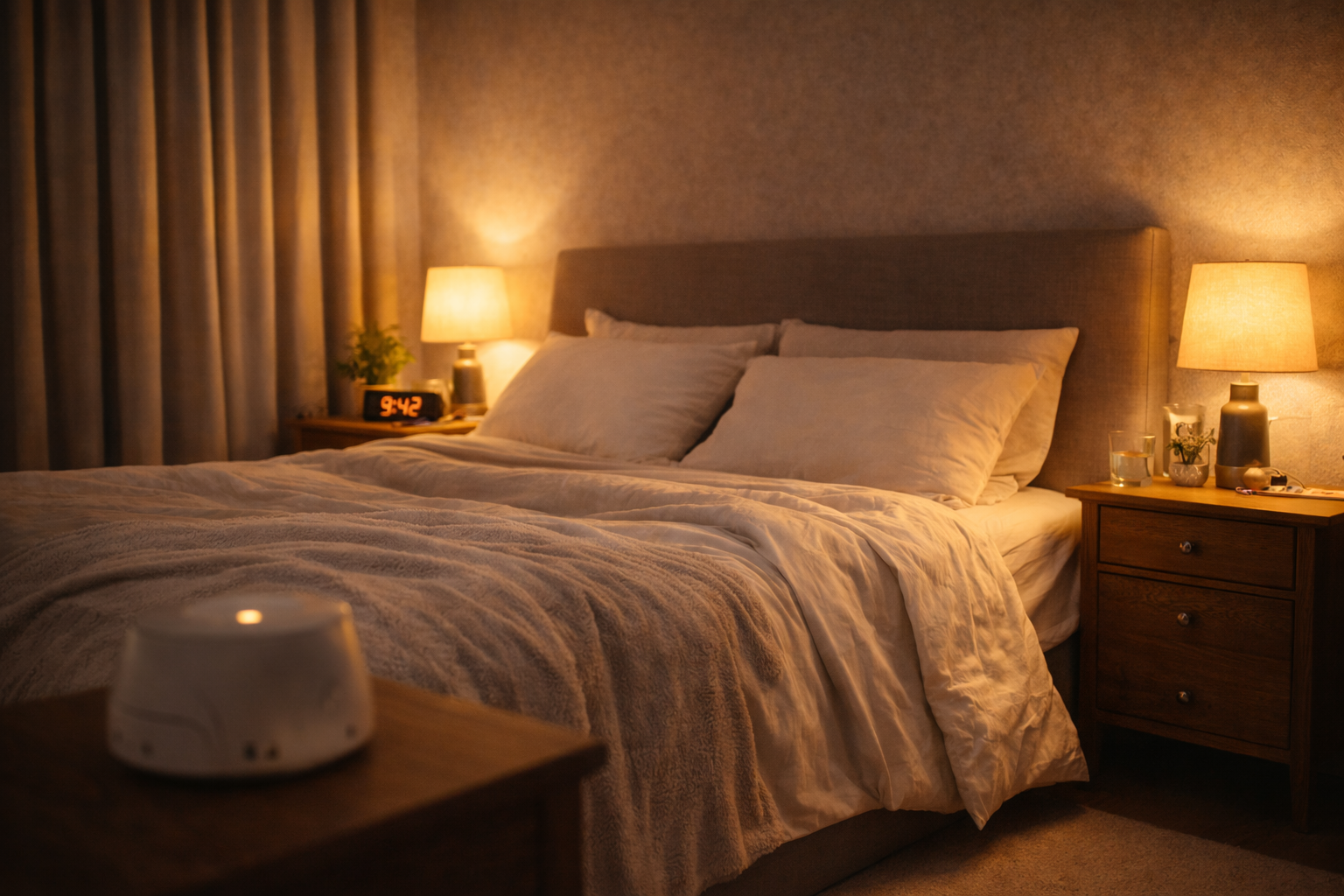
How to Make Bedroom Good for Sleep
Your bedroom shapes your sleep more than you think. Learn how to make bedroom good for sleep with science-backed, practical changes.
-
How to Increase Deep Sleep Naturally
Learn how to increase deep sleep naturally by fixing timing, lowering stress, and using wearable data wisely. A calm, science-backed plan.
-
Is 6 Hours of Sleep Enough?
Is 6 hours of sleep enough for high performers? Here is what research says and how to add 30 minutes of quality sleep this week.