
Sleep better, naturally. Starting tonight.
If you are sleeping 7 to 8 hours but still waking up heavy and unfocused, this is for you. You will learn how to increase deep sleep naturally by changing a few upstream habits that quietly shape your nights.
Key takeaways
- Deep sleep is regulated by timing, sleep pressure, and nervous system safety, not effort.
- Habits, not willpower or data, determine sleep quality. Tracking alone does not drive results. Behavior change does.
- The most powerful way to increase deep sleep naturally is to lower late arousal and protect the first hours of the night.
You are sleeping enough. So why does it not feel restorative?
You are in bed 7 to 8 hours. You are not partying. You are not skipping bedtime on purpose.
Yet morning feels flat. Before your feet hit the floor, you check Oura or WHOOP. Deep sleep is under an hour again.
Most advice on how to increase deep sleep naturally treats this like a checklist. Cool room. No caffeine late. Magnesium. A longer wind down.
Those can help. However, many high performers in their 40s and 50s are dealing with something upstream. Your physiology is doing its job. It is protecting you from pressure, travel, deadlines, and late night work. The tradeoff is that deep sleep, also called slow wave sleep, gets suppressed.
Deep sleep is not lost. It is often being blocked.
Sleep is the foundation of cognition, mood, metabolism, fitness, creativity, relationships, and long term brain health. When deep sleep shrinks, many of those domains feel the strain. So it is worth getting curious. Not critical. Curious.
Deep sleep is a state your brain allows
Deep sleep, or N3 slow wave sleep, is most prominent in the first third of the night. It is linked to high sleep pressure and physical restoration, and it plays a role in aspects of memory consolidation. This architecture is normal physiology, not a performance score. The American Academy of Sleep Medicine outlines these stages clearly.
Two core processes shape your ability to increase deep sleep naturally.
- Homeostatic sleep pressure. The longer you are awake, the stronger the drive for deep sleep. This process is described in Borbély’s two process model of sleep regulation.
- Circadian timing. Your internal clock influences when sleep is easiest and how sleep is structured. Circadian misalignment can reduce sleep depth even if time in bed stays the same, as shown in classic work by Dijk and Czeisler.
There is a third factor that often gets overlooked. Arousal physiology.
If your body reads your life as still on, deep sleep can be reduced or fragmented. That signal can come from late cognitive load, emotional stress, intense late workouts for some people, alcohol, travel, or sleeping in a new environment. The so called first night effect has been documented in laboratory studies such as Tamaki and colleagues in Current Biology.
In other words, your nervous system needs a sense of safety to allow deep sleep.
The myth that keeps people stuck
Myth: Low deep sleep means you slept badly.
Wearables quietly reinforce this belief. Yet the science is more nuanced.
Deep sleep varies night to night. It tends to decline with age on average, as shown in a large meta analysis by Ohayon and colleagues in the journal Sleep. A later bedtime, a warmer room, more REM pressure, or simple variability can all shift stage proportions.
Consumer devices such as Oura, WHOOP, Apple Watch, and Fitbit estimate sleep stages using movement and cardiovascular signals. They are useful for trends. They are not equivalent to a clinical polysomnography study. Validation studies vary by device and by population.
Metrics are not mechanisms. A low number does not tell you why.
This is where many smart people get trapped. They chase minutes instead of addressing physiology. Remember, habits not willpower or data determine sleep quality. Tracking alone does not drive results. Behavior change does.
If you want to increase deep sleep naturally, start before bedtime
If deep sleep is being blocked, the goal is to reduce signals of vigilance and fragmentation. Think in three categories. Timing. Arousal load. Sleep continuity.
Timing: protect the first hours of the night
Deep sleep is front loaded. The first three to four hours matter most.
- Keep a stable wake time. Even on weekends when possible. This anchors circadian timing and is a core behavioral recommendation from the American Academy of Sleep Medicine.
- Stop stealing the first part of the night. When schedules tighten, many people push bedtime later. Protecting the early window often supports more deep sleep.
- Get morning light. Ten to twenty minutes of outdoor light in the first hour after waking strengthens circadian alignment. Light is one of the most powerful timing cues we have.
If you travel often, aim for re anchoring, not perfection. Wake time and morning light are your strongest levers.
Arousal load: you cannot force your nervous system to power down
Deep sleep can shrink when stress systems remain active. Cortisol is part of this picture, but the lived experience is cognitive and emotional activation.
Many driven adults say they feel fine. Then the body cashes the check at night.
- Set an end time for high stakes thinking. Choose a cutoff for problem solving and email 60 to 120 minutes before bed.
- Do a five minute tomorrow plan. Write the three most important tasks and the first step for each. Cognitive offloading reduces rumination.
- Create a repeatable downshift. A slow walk, light stretching, a warm shower, or calm reading. Consistency beats novelty.
This is how many people increase deep sleep naturally in real life. They reduce the need for vigilance.
Sleep continuity: deep sleep dislikes fragmentation
Deep sleep thrives on continuity. Frequent awakenings push the brain into lighter stages.
Common disruptors include alcohol, late heavy meals, warm bedrooms, untreated sleep apnea, nocturia, and late day caffeine sensitivity.
Alcohol is a common blind spot. It can shorten sleep latency but fragment the second half of the night and alter sleep architecture. A review by Ebrahim and colleagues in Alcoholism: Clinical and Experimental Research details these effects.
Obstructive sleep apnea becomes more common with age and is associated with more light sleep and fatigue. A wearable cannot diagnose it. If you snore, gasp, or wake unrefreshed despite time in bed, discuss screening with a clinician. The American Academy of Sleep Medicine provides clinical guidance.
Science is still evolving on the exact percentage of deep sleep each person needs. There is no universal target. Continuity and how you feel during the day matter more than chasing a specific number.
How to increase deep sleep naturally using wearables wisely
Technology is not the enemy. Used well, it can support behavior change.
Wearables are helpful for sleep timing, regularity, and broad trends in resting heart rate and heart rate variability. They are useful for experiments. What happens when alcohol is removed. What shifts when workouts move earlier.
They cannot provide a clinical diagnosis. They cannot define a precise deep sleep quota that guarantees health.
Here is a calmer loop:
- Pick one lever for 14 days.
- Track two outcomes. Morning energy on a 1 to 10 scale and number of awakenings, alongside your device trend.
- Decide based on patterns, not single nights.
This approach reinforces a core truth. Habits not willpower or data determine sleep quality. Tracking alone does not drive results. Behavior change does.
The uncomfortable habit that often changes everything
If you want to increase deep sleep naturally, stop checking deep sleep the moment you wake up.
Wait 30 to 60 minutes.
This gives your brain time to register real signals first. Mood. Energy. Motivation. It reduces conditioned arousal around sleep metrics.
The term orthosomnia was introduced by Baron and colleagues in the Journal of Clinical Sleep Medicine to describe sleep disturbance driven by fixation on sleep data.
You can keep your device. Just change the timing and meaning.
What not to do when deep sleep is low
Avoid digging the hole deeper.
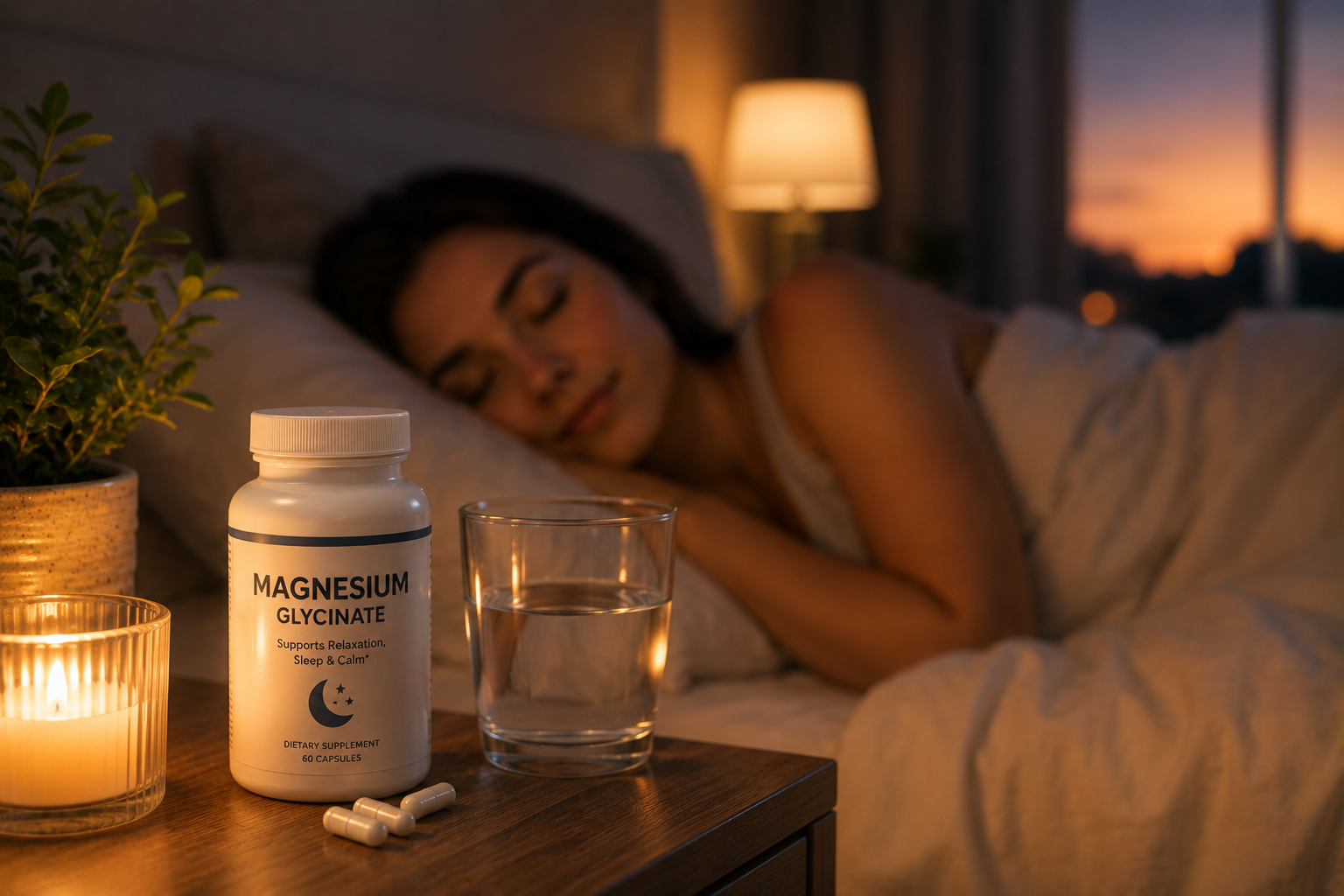
- Do not stack supplements every time the number drops. Evidence for many sleep supplements is mixed, and purity varies. The NIH Office of Dietary Supplements notes limits of current data on magnesium.
- Do not go to bed much earlier if you are not sleepy. More time in bed can increase wakefulness and frustration. Behavioral treatments for insomnia often restrict time in bed for this reason.
- Do not treat one low night as a crisis. Sleep is homeostatic. After short sleep, the brain often rebounds with more slow wave activity the next night.
Perfection is not required. Progress is.
A simple 14 day plan to increase deep sleep naturally
Choose three. Keep it manageable.
- Wake within a 30 to 60 minute window daily.
- Get outdoor light within an hour of waking.
- Set a hard stop for high stakes work 90 minutes before bed.
- Run a two week no alcohol experiment.
- Move intense training earlier by two to four hours.
- Keep the bedroom cool and dark.
- Delay checking sleep data each morning.
Run the experiment. Review trends. Adjust.
Deep sleep improves when life feels safer
Deep sleep is biological. It responds to timing, continuity, and a sense of safety. It is not a moral score.
If you are doing many things right and still feel tired, take that as information. Upstream lifestyle shifts often work faster than adding another bedtime ritual.
If you want a personalized starting point, you can request a complimentary assessment at https://www.clementinecoach.com/myplan. A plan built around your schedule makes change simpler.
Increase deep sleep naturally by changing the conditions that allow it. Protect the first hours. Lower late arousal. Stay consistent. Small habits, repeated, create the physiology you are looking for.
</Anchor your wake time, get morning light, stop high stakes work 60 to 120 minutes before bed, and reduce fragmentation from alcohol or late heavy meals. Test one change for 14 days and review trends rather than single nights.
Deep sleep can be reduced by stress related arousal, circadian misalignment, alcohol, frequent awakenings, or normal age related changes. Wearable estimates also have limits and can vary in accuracy on a given night.
They estimate sleep stages using movement and cardiovascular signals and are useful for trends. They do not match the accuracy of a clinical sleep study and should not be used as diagnostic tools.
For many people, the fastest improvements come from removing alcohol for two weeks, protecting a consistent wake time with morning light, and setting a clear cutoff for late night work. The most effective lever is individual, so test one change at a time.
GET IN TOUCH
Say goodnight to bad sleep
References
- Borbély, A. A. (1982). A two process model of sleep regulation. Human Neurobiology, 1(3), 195–204.
- Dijk, D. J., & Czeisler, C. A. (1995). Contribution of the circadian pacemaker and the sleep homeostat to sleep structure. Journal of Neuroscience, 15(5), 3526–3538.
- Ebrahim, I. O., Shapiro, C. M., Williams, A. J., & Fenwick, P. B. C. (2013). Alcohol and sleep I: Effects on normal sleep. Alcoholism: Clinical and Experimental Research, 37(4), 539–549.
- Ohayon, M. M., Carskadon, M. A., Guilleminault, C., & Vitiello, M. V. (2004). Meta analysis of quantitative sleep parameters from childhood to old age. Sleep, 27(7), 1255–1273.
- Baron, K. G., Abbott, S., Jao, N., Manalo, N., & Mullen, R. (2017). Orthosomnia: Are some patients taking the quantified self too far? Journal of Clinical Sleep Medicine, 13(2), 351–354.
- American Academy of Sleep Medicine. (n.d.). Sleep education resources and sleep stages overview.
- National Institutes of Health, Office of Dietary Supplements. (n.d.). Magnesium fact sheet for health professionals.
- American Academy of Sleep Medicine. (n.d.). Clinical resources on sleep apnea and sleep health.